Nature & Wildlife, New Forest | Posted on February 12th, 2026 | return to news
Bats benefit from New Forest project
Fourteen of the 18 species of bat found in the UK are to be found in the New Forest, and a scheme is protecting them.
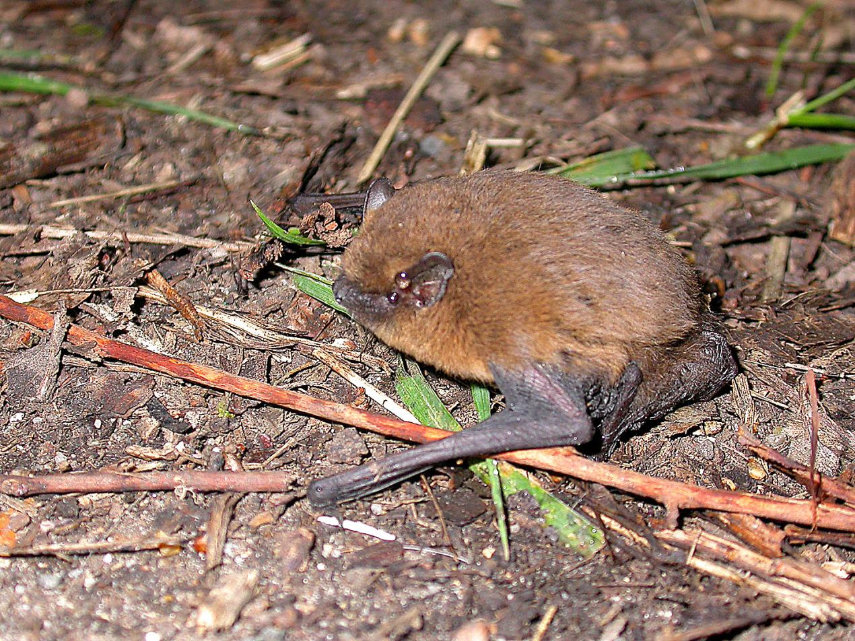
The habitat of bats living in the New Forest National Park is continuing to be protected through the Species Survival Fund (SSF) project.
Of the 18 species found in the UK, 14 can be found in the New Forest.
In 2025, baseline surveys were undertaken to measure bat activity before habitat improvements were carried out in a £1.3 million scheme, led by the New Forest National Park Authority. Involving five partner organisations, local experts have created and restored habitats at around 30 sites to increase climate resilience and reverse species decline.
Wild New Forest – one of the five partners in the project – placed bat detectors at 11 SSF sites for around a fortnight each, with the detectors set to record bat echolocation calls from dusk until dawn.
More than 140,000 individual bat passes were detected during the surveys.
Detailed analysis indicated all 14 of the New Forest bat species were potentially recorded, although not all could be confirmed with high confidence using acoustic data alone.
Common and Soprano pipistrelle were the most frequently detected species, accounting for 94 per cent of all bat passes.
The nationally scarce and red-listed barbastelle was recorded at all the sites surveyed, with nearly 40 passes per night at one parkland location.
The locally rare greater horseshoe bat was also recorded at two sites in the north of the New Forest.

Bats thrive in landscapes that offer an abundance of insects and other invertebrate prey. The SSF project has improved and increased bat habitat by creating insect-rich wetlands and wildflower meadows, restoring native woodland, and planting new hedgerows to strengthen connections between habitats.
Wild New Forest will be monitoring future changes in bat activity at SSF sites where habitat improvements have recently taken place, hopefully demonstrating the long-term value of the project for bats and the wider New Forest ecosystem.
Prof Russell Wynn, director of Wild New Forest, said: “These new data have revealed existing bat hotspots and highlight the exceptional bat diversity in the New Forest. In addition to supporting the SSF project, the data is being shared with trusted colleagues in Hampshire and Wiltshire Bat Groups to inform their wider survey and research work.”
The other partners involved in the SSF project are Freshwater Habitats Trust, Amphibian and Reptile Conservation Trust, Hampshire and Isle of Wight Wildlife Trust, and New Forest Commoners Defence Association, with support from the RSPB and New Forest Biodiversity Forum.
The project’s wider aim has been to restore and expand habitats from the inner core of the New Forest to its outer edges and beyond, while also demonstrating the benefits of a multi-partner and multi-intervention approach by local experts.
This project is funded by the government’s Species Survival Fund. The fund was developed by Defra and its arm’s-length bodies. It is being delivered by The National Lottery Heritage Fund in partnership with Natural England and the Environment Agency.
Please share post:
LATEST NEWS:

CHARITY OF THE YEAR 2026

Subscribe to the online magazine news letter