
Dorset, Eco & Environment, Political | Posted on November 5th, 2025 | return to news
Dorset Council reveals plan for £46.7m boost for homes and regeneration
Council-owned redundant buildings and sites would be sold, with the funds reinvested in essential infrastructure.
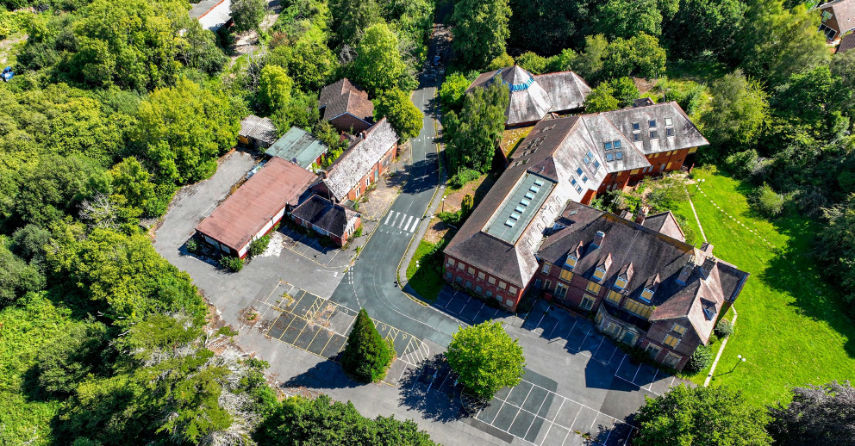
Dorset Council has revealed plans which it says will provide new homes and economic growth in the county.
A report, which will be considered by Cabinet on 11 November, puts forward a programme to attract private investment and generate £46.7m to reinvest in Dorset’s priorities.
Key benefits of the programme include:
- New homes: Some sites will be part of a strategic development partnership to deliver affordable housing, including social rent homes for local people, in line with the council’s housing strategy.
- Economic growth: Disposing of commercial sites will attract private investment, improve site management, and stimulate business growth.
- Community empowerment: A strengthened focus on Community Asset Transfers will enable town and parish councils to take ownership of local facilities, tailoring services to community needs. This means local councils can apply to take on underused buildings or land for community benefit, helping preserve valued spaces and services.
- Financial sustainability: £46.7m from the sale of surplus sites will help fund Dorset Council’s capital programme and reduce borrowing costs. This money can be reinvested in essential infrastructure such as roads, schools, and frontline services.
Over the next five years, the council plans to dispose of 78 sites that are no longer needed. Rather than continuing to spend on properties that add little value, this programme ensures they are repurposed to deliver homes, jobs and community benefits.

The properties identified for disposal are mainly small blocks of garages, vacant former offices, old school sites and parcels of land. Transferring them to owners who can invest and repurpose them will unlock opportunities for housing, regeneration and economic growth — benefits the council cannot achieve alone.
Examples include: garages and storage sites no longer supporting council services; vacant administrative buildings; smaller land parcels suitable for housing or community-led projects; and commercial units where private landlords can attract new businesses.
The council says it will follow clear rules to make sure every sale gives taxpayers the best value. Independent experts will check site values, and sales will be competitive. Where needed, it will add conditions so sites are used for housing or regeneration, not left empty. To protect public money and keep prices fair, the council says it won’t share details of individual sites until the right stage in the process.
Cllr Richard Biggs, Dorset Council’s Cabinet member for Property & Assets and Economic Growth, said: “This administration’s focus is clear: by releasing council sites we no longer need, we are getting a grip on land and buildings that have stood idle for years. We will now sweat all our assets to reinvest in roads, schools and frontline services for the benefit of all our residents. It’s about unlocking opportunities, being ambitious, and making every penny count.”
Please share post:
LATEST NEWS:

CHARITY OF THE YEAR 2025

Subscribe to the online magazine news letter