Eco & Environment, Nature & Wildlife | Posted on July 30th, 2025 | return to news
Dorset makes progress in nature emergency response
Dorset Council has taken steps to reduce its own emissions and has supported local communities to do the same.
Following the warmest spring on record, Dorset Council says it is pleased with its latest efforts to tackle climate and nature emergencies.
Over the past year, the Council has taken major steps to reduce its own emissions and has supported local communities and businesses to do the same.
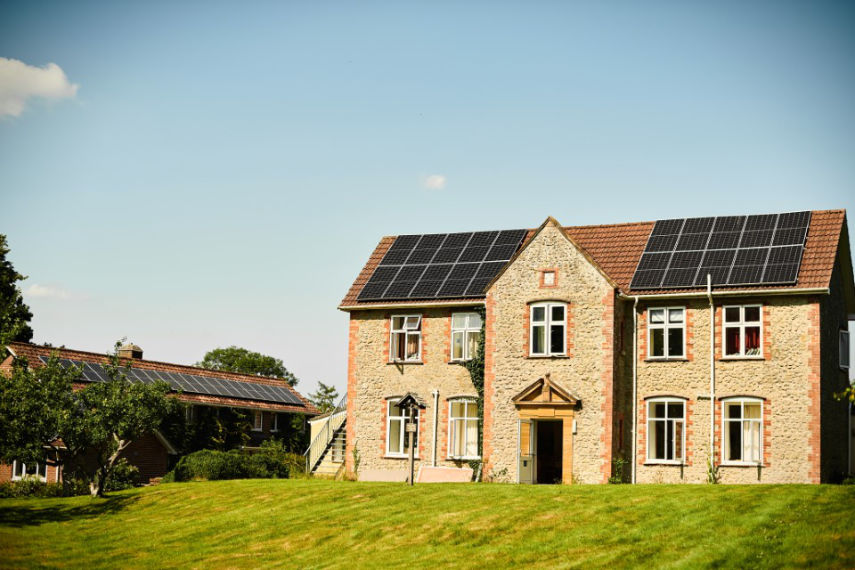
The authority has worked to improve its buildings. This includes making plans to reduce carbon emissions at 120 properties and looking at 50 places that could use renewable energy. The Council has also started using cleaner fuels and electric vehicles in its fleet.
New draft plans have been created to guide future work, including a Local Nature Recovery Strategy, a Local Transport Plan, and a Workplace Travel Plan. A climate risk assessment has been completed, and work to produce a county-wide Climate Adaptation Strategy is now underway.
Support for residents and businesses continues through schemes like Healthy Homes Dorset, Dorset Solar Together, and Low Carbon Dorset, which help reduce energy use and costs. Farmers have also received grants to support nature-friendly practices and reduce flood risks. Schools and communities are getting involved through the Climate Ambassadors Network, run in partnership with the Met Office.

Dorset Council remains the top-performing unitary authority in England for recycling, with a 60.5 per cent recycling rate – well above the national average.
The Council has already cut its own direct emissions by 31 per cent since 2019 and is on track to meet its 2026 target. County-wide emissions had also fallen by over 13 per cent by 2022 compared to 2017.
To support this work, Dorset Council has spent £5.3 million and secured more than £25 million in national funding.
Cllr Nick Ireland, leader of Dorset Council and Cabinet Member for Climate and Ecology, said: “This year’s record-breaking spring should act as a wake-up call. Dorset Council is not just responding – we’re leading. From cutting emissions to supporting communities and investing in a greener future, we’re making real progress. But we know there’s more to do, and we’re committed to working with residents, businesses, and partners to build a more sustainable Dorset for everyone.”
The Council says it will continue to work openly with the public to maintain momentum and tackle the long-term risks that climate change poses to Dorset’s people, economy, and environment.
Please share post:
LATEST NEWS:
CHARITY OF THE YEAR 2025

Subscribe to the online magazine news letter