Dorset, Eco & Environment, Uncategorized | Posted on January 28th, 2026 | return to news
Flood advice from Dorset & Wiltshire Fire and Rescue Service
With numerous roads across Dorset still flooded and some impassable, the service has advice for motorists and pedestrians.
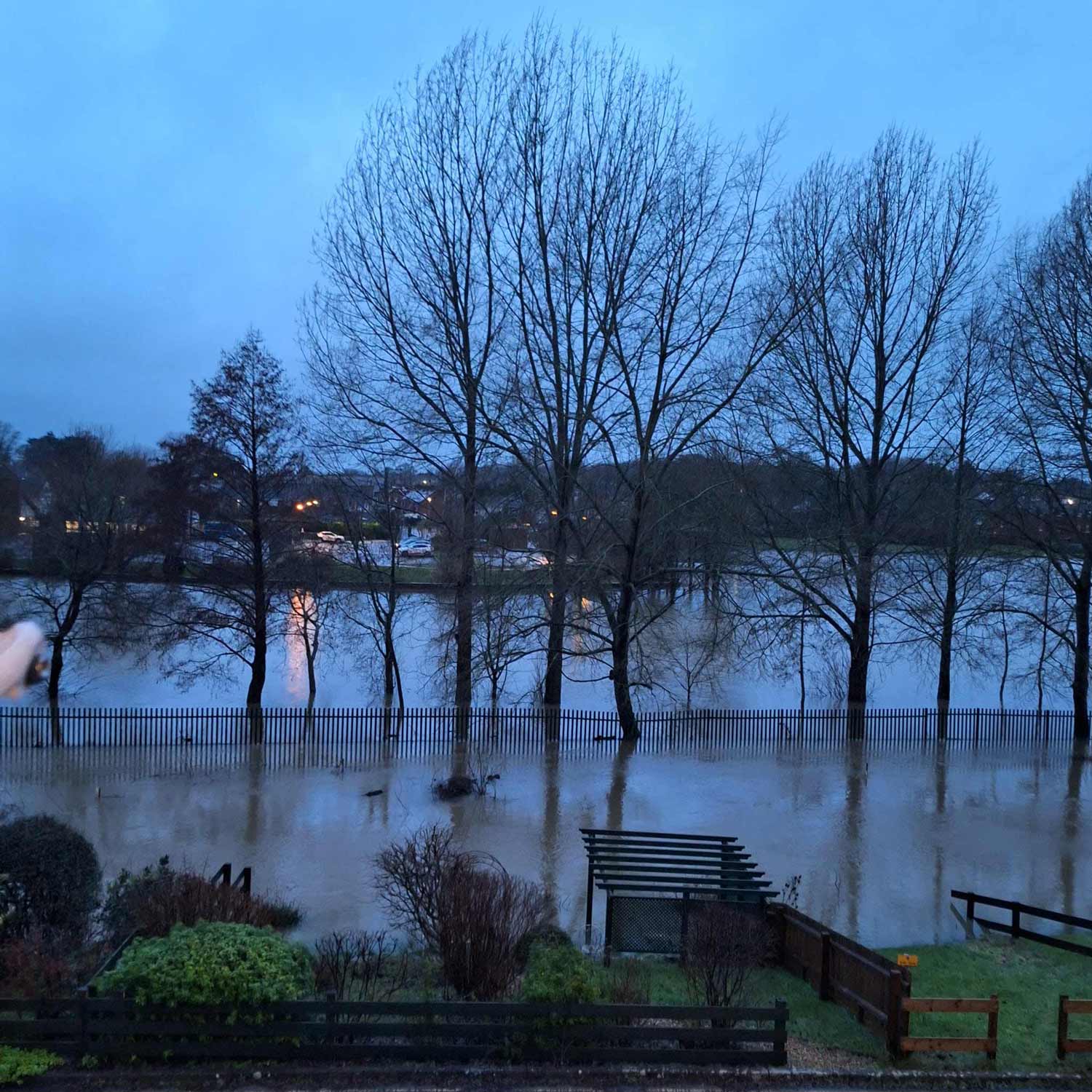
Over the past 24 hours, numerous roads in Dorset have been closed because of flooding and it is an ever-changing picture, with more rain predicted over the coming few days.
Consequently, Dorset & Wiltshire Fire and Rescue Service is asking drivers to take care when driving on roads potentially affected by flooding, following heavy rain brought in by Storm Chandra.
Fire crews responded to 15 calls across Dorset between midnight and 10.30am on Tuesday 27 January from people who had driven into floodwater and then got stuck.
With more storms likely through the rest of the winter, the service is keen that drivers recognise the dangers of surface water on the roads.
Area Manager Ant Bholah said: “Very often, surface water doesn’t appear very deep but there can be unseen dips in the road which then catch drivers unaware. There is also a risk of drivers in larger vehicles driving through water without dropping their speed, which then creates a ‘bow wave’ effect – and this can cause significant risks for other vehicles. While this wet weather continues, please drive to the conditions and be particularly cautious at fords, where water levels can rise a lot in a short space of time.”

If you are travelling through areas affected by flooding, the service asks you to follow this advice:
- Wherever possible, don’t drive through standing water – as well as the water damaging your car, there may be hazards under the water you can’t see.
- If you see a sign to say that the road is closed due to flooding, remember the sign is there for a reason. Don’t try to drive through or you might get stuck.
- If you are driving a larger vehicle, do not go through flood water at speed as this creates a ‘bow wave’ that can then cause flooding to other vehicles or adjacent properties.
- When driving, if heavy rain is making visibility difficult, pull over if possible. Make sure your car lights are on.
- Remember that roads and pavements will be slippery during wet conditions.
- Don’t try and walk through floodwater that is above knee level, as the force of the water could easily knock you off your feet. There is also a danger of open manholes, trenches or other hazards that you can’t see.
Updates on road conditions can be found on social media and via local radio and media websites, so check your route before you set off, and allow extra time for any necessary diversions.
Further advice about driving in adverse conditions can be found at www.dwfire.org.uk/driving-in-adverse-conditions.
Please share post:
LATEST NEWS:

CHARITY OF THE YEAR 2026

Subscribe to the online magazine news letter