Dorset | Posted on August 7th, 2025 | return to news
New technology for libraries and public toilets in Dorset
Dorset Council has stressed that the devices won’t compromise privacy but will help to provide efficiency.
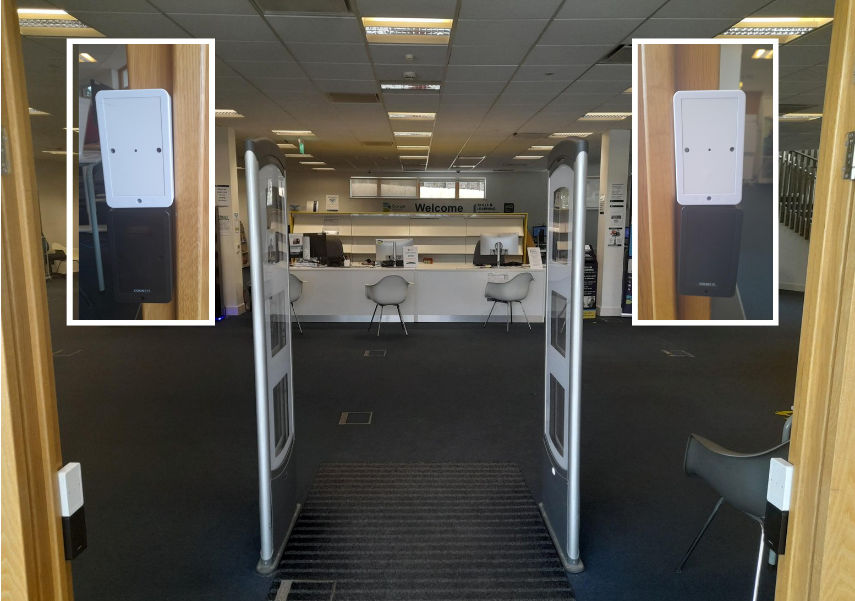
Smart sensors are being introduced in libraries in Dorset and in the future in public toilets, although Dorset Council says they won’t compromise privacy.
These small, discreet sensors are part of the “Internet of Things” (IoT), a growing network of everyday objects that can send useful data to help improve how services are delivered. In simple terms, this means items like doors, desks, or counters can now provide anonymous information about how and when they’re used.
At Dorchester Library, sensors have already been installed at entrances, desks, and help counters. These devices anonymously track how people move through the space, helping the council understand which areas are being used, how long people are staying, and where improvements might be needed.
The next phase of the project will see similar sensors installed at the entrances to public toilets to better understand usage patterns. This will allow cleaning and maintenance teams to respond more efficiently, improving hygiene standards while saving time and resources.

Dorset Council is keen to reassure the public that privacy is fully protected. The sensors do not contain cameras, microphones, or any technology capable of identifying individuals. They detect only movement or body heat – never images, audio, or personal data. All data collected is anonymous and used solely to improve public services.
Cllr Ryan Hope, Dorset Council’s Cabinet member for Customer, Culture and Community Engagement, said: “This is a great example of how Dorset Council is using smart technology to improve services for residents. By understanding how our buildings are used, we can make better decisions, enhance customer experience, and reduce costs. It’s also a fantastic opportunity for local businesses to benefit from the same technology through our open IoT network.”
The sensors connect to a special network called LoRaWAN – a low-power, long-range system that Dorset Council has made available for others to use. Local businesses, schools, and innovators can access this network to monitor things like energy use, deliveries, or footfall.
Other councils, including Norfolk and Oxfordshire, have already seen success with similar technology – using IoT to improve road safety, monitor building temperatures, and support independent living.
Please share post:
LATEST NEWS:
CHARITY OF THE YEAR 2025

Subscribe to the online magazine news letter