Nature & Wildlife, New Forest | Posted on May 29th, 2026 | return to news
£1.3million nature recovery project for New Forest
Thanks to the fund, numerous species including dragonflies, grasshoppers, birds, eels, reptiles and bats will survive.
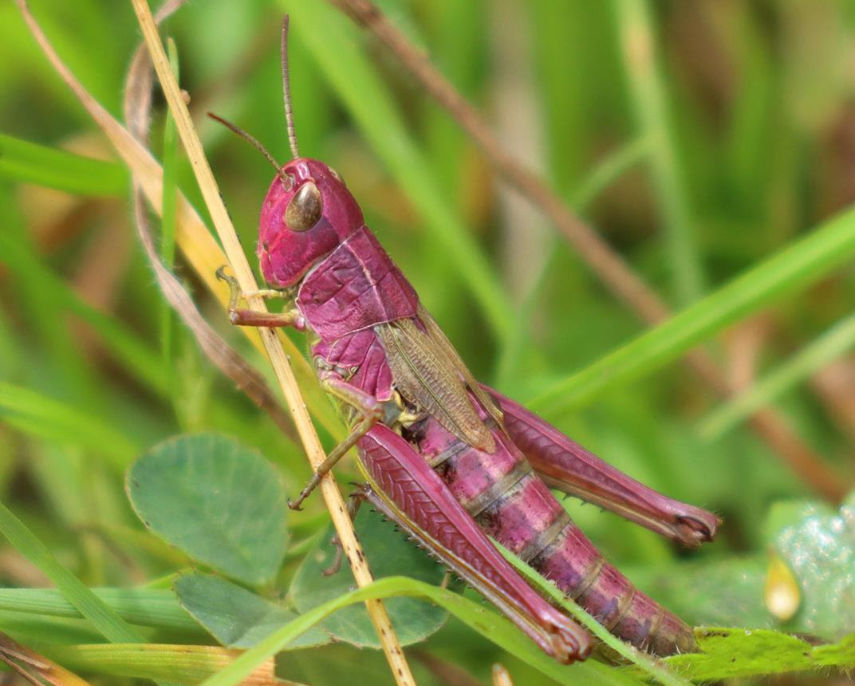
A pink meadow grasshopper is amongst thousands of species benefiting from a major New Forest nature recovery project.
A huge variety of wildlife, plants and other species have had their habitats restored and expanded to the edges of the New Forest National Park and beyond to bolster their long-term survival prospects.
The £1.3million Species Survival Fund (SSF) project was a two-year collaborative scheme aiming to reverse species decline and build resilience among habitats across the National Park amid ongoing threats and pressures such as climate change.
Led by the New Forest National Park Authority (NPA), the SSF brought together five partner organisations to enhance nature covering 320 hectares – the equivalent of 448 football pitches – on 31 sites.
This ambitious partnership project saw experts restore wetlands, create wildflower meadows and reconnect fragmented landscapes to help pollinators, amphibians, reptiles, freshwater species and more to thrive.
The five partners with the NPA in the project were Amphibian and Reptile Conservation Trust (ARC), Freshwater Habitats Trust (FHT), Hampshire and Isle of Wight Wildlife Trust (HIWWT), New Forest Commoners Defence Association (NFCDA) and Wild New Forest (WNF), with additional support from the RSPB and the New Forest Biodiversity Forum.
Sharing understanding and expertise among the partners proved – and will continue to prove – critical to the project, and while the full results of it will not be seen for several years, there have been some immediate successes.
ARC improved reptile habitats by restoring heathland. This involved clearing shrubs, bushes and invasive species to return the areas to a more favourable condition for reptiles, while areas of sand were created to help sand lizards breed.
HIWWT created 26 acres of new meadows, giving a real boost to species like bees and dragonflies. More than 22,000 wildflower plugs were planted, 225kg of wildflower seeds were sown and 982 metres of new hedgerow were established, allowing pollinators and insects to expand their habitats.
The New Forest’s freshwater landscape was strengthened and expanded by FHT, which created 27 and restored 14 ponds across the New Forest, alongside revitalising priority habitats including fens, wet meadows and wet woodlands.
This work has enhanced conditions for a wide range of species, including great crested newts, European eels and raft spiders, as well as many specialist wetland plants and invertebrates.

WNF provided ecological expertise and survey support to help guide the approach by partners to restore habitats and improve species, while the NFCDA helped inform partners and the public about the wider benefits of commoning to the New Forest landscape.
The New Forest National Park Authority worked with local experts to carry out critical management such as coppicing and removing invasive species from 80 hectares of woodland around the National Park.
A key element of the project was the collaboration between partner organisations. With experts working together on sites, it has given a far better understanding of the wider picture for nature recovery. Sharing expertise ensured any work – from digging out a pond to removing invasive rhododendron – reduced disruption to existing habitats and increased species’ survival prospects by ensuring their habitats are as resilient as possible.
Public involvement in the SSF project was crucial to its success, with around 38,000 people taking part through 160 public events, youth groups and online. Over 200 existing volunteers were joined by 225 new volunteers to help plant trees, wildflowers and clear scrub.
John Stride, Net Zero with Nature Programme manager at the NPA, said: “The New Forest supports an exceptional range of wildlife – from rare plants and dragonflies to mammals and reptiles – but like much of the UK’s countryside, it has faced pressures from habitat loss, invasive species and changes in land use.
“The Species Survival Fund project has made a tangible difference on the ground. We’ve been able to reconnect fragmented habitats, restoring vital corridors that allow species to move, feed and breed more successfully. Areas once dominated by invasive species have been carefully cleared and replanted with a diverse mix of native flora, creating stronger, more resilient ecosystems.
“As a result, we are already seeing encouraging signs of recovery, with improved conditions for priority species and a richer mosaic of habitats across the landscape. The project has also brought organisations, land managers and volunteers together, strengthening partnerships and building the skills needed to safeguard the New Forest’s wildlife for the long term.
“By improving habitat quality and resilience at scale, the initiative supports England’s national biodiversity targets, such as the ambition to protect 30 per cent of land for nature by 2030. Just as importantly, it helps ensure the New Forest remains a living, working landscape where nature and people can continue to thrive side by side.”
Project sites will continue to be monitored and restored, and the hope is that more wildlife will flourish, local communities will continue to be involved and the New Forest will remain a vital stronghold for nature well into the future.
Please share post:
LATEST NEWS:

CHARITY OF THE YEAR 2026

Subscribe to the online magazine news letter