
Bournemouth, Christchurch, Nature & Wildlife, Poole | Posted on July 27th, 2026 | return to news
Butterfly count across Bournemouth, Christchurch and Poole
People have until 9 August to take part in a butterfly count, and BCP Council is urging people to take part.
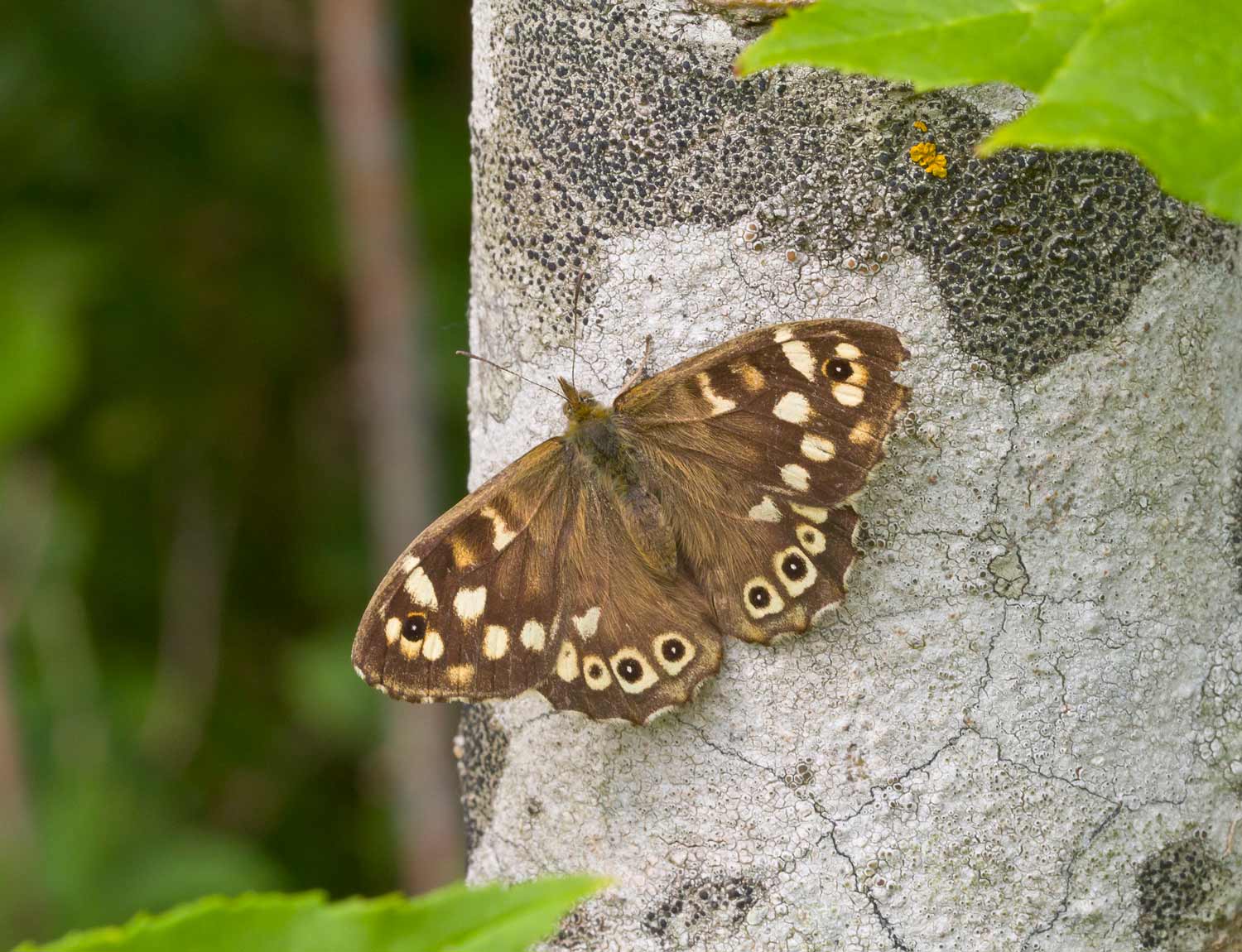
People across Bournemouth, Christchurch and Poole are being urged to take part in a butterfly survey which runs until 9 August.
The count is encouraging nature lovers to spend 15 minutes spotting common butterflies and day-flying moths in a survey to help find out how the insects have been affected by this year’s hot weather.
As well as the more common Count species, BCP has many great places to spot other butterflies, from rare heathland species such as the Silver-studded Blue on Canford Heath to fascinating grassland butterflies like the Large Skipper in the Bourne Valley.
Count species can be spotted all across BCP – look out for the striking Peacock in open spaces such as Bournemouth’s Upper and Lower Gardens and the migrant Painted Lady in grassy areas and along the seafront.
The UK’s butterflies, including many once common species such as the Small Tortoiseshell, are in a state of long-term decline.
But this summer’s dry spring, followed by a hot summer, may offer the chance for some species to record a better year.
Butterfly Conservation’s Head of Engagement, Kate Merry, said: “After the colourful spring, with seemingly lots of beautiful butterflies appearing across the UK, it’s tempting to assume we’re heading for a bumper summer, and we’d love nothing more as most of our butterfly species have undergone long-term declines.
“But a bright spring is only ever part of the story, which is why we need people out there taking part in the Big Butterfly Count this summer. We genuinely don’t yet know how this year will unfold, and the only way to find out is for people to tell us what they’re seeing in their own gardens and green spaces.”
Cllr Andy Hadley, portfolio holder for Climate Response, Environment and Energy, said: “BCP is home to nationally important heathland, grassland and urban green spaces, along with private gardens that support a wide range of butterflies and moths, from specialist heathland species to familiar garden favourites.
“Through careful habitat management, restoration work and working with partners, the council is helping to protect and improve the places these species need to survive. But good conservation also depends on good evidence, which is why the Big Butterfly Count is so valuable.
“Every 15-minute count helps build a clearer picture of how butterflies are doing locally and nationally. We would encourage residents to get outside, enjoy the nature on their doorstep and share what they see, so we can all play a part in protecting these important species for the future.
“Our campaign, ‘BCP – the UK’s wild urban coast’, is encouraging residents to discover the extraordinary wildlife and habitats on our doorstep. Taking part in the Big Butterfly Count is a great way to get closer to local butterflies.”

The Big Butterfly Count asks people to spend 15 minutes outdoors in a sunny spot, count the butterflies and day-flying moths they see, and submit their sightings via the free app or at www.bigbutterflycount.org.
Some 80 per cent of UK butterfly species have declined over the past 50 years, the result of habitat loss, pollution and climate change, and scientists need as many eyes as possible looking for butterflies this summer to see what’s happening. Every sighting counts.
The Peacock, Holly Blue, Red Admiral, Brimstone and Small Copper can all be recorded as part of Butterfly Conservation’s Big Butterfly Count, along with 15 other butterflies and day-flying moths.
Top five butterfly spots in BCP:
- Canford Heath is one of the area’s standout butterfly sites, particularly for rare heathland species such as the tiny Silver-studded Blues, which have been seen here in impressive numbers, while the site is also associated with scarce Grayling. These species depend on open heathland habitats, with conservation grazing and winter scrub removal helping to maintain the short vegetation, bare ground and varied structure they need.
- Stour Valley Water Meadows, also known as Throop SANG, is becoming an excellent place to look for butterflies. Some 26 species have been recorded on site, including rarer sightings such as Dark Green Fritillary, Purple Hairstreak and the striking migrant, the Clouded Yellow. It is also a good example of how BCP Council’s countryside team is improving biodiversity on Suitable Alternative Natural Greenspaces.
- With heathland and oak fringes, Corfe Hills North is a good place to look for Purple Hairstreaks. These butterflies are often found around oak trees, so it is worth looking up as well as scanning the lower vegetation.
- Bourne Valley’s lowland meadow habitat is a strong spot for meadow butterflies. Species recorded here include Large Skipper, Small Skipper, Ringlet, Meadow Brown and Gatekeeper, making it a rewarding place to visit during the warmer months.
- Butterflies can also be found across other BCP green spaces where longer grass, wildflowers and less intensive mowing create better conditions for insects. Reduced mowing during the summer, including approaches such as No Mow May, can help provide nectar and shelter. Keeping some longer areas through the colder months is also important, as butterflies need suitable overwintering habitat to complete their life cycle.
Please share post:
LATEST NEWS:

CHARITY OF THE YEAR 2026

Subscribe to the online magazine news letter