Nature & Wildlife | Posted on November 17th, 2026 | return to news
Mediterranean fish species found in Studland Bay
A two-banded sea bream, a fish species more commonly found in the Mediterranean, has been recorded in Studland Bay for the first time.
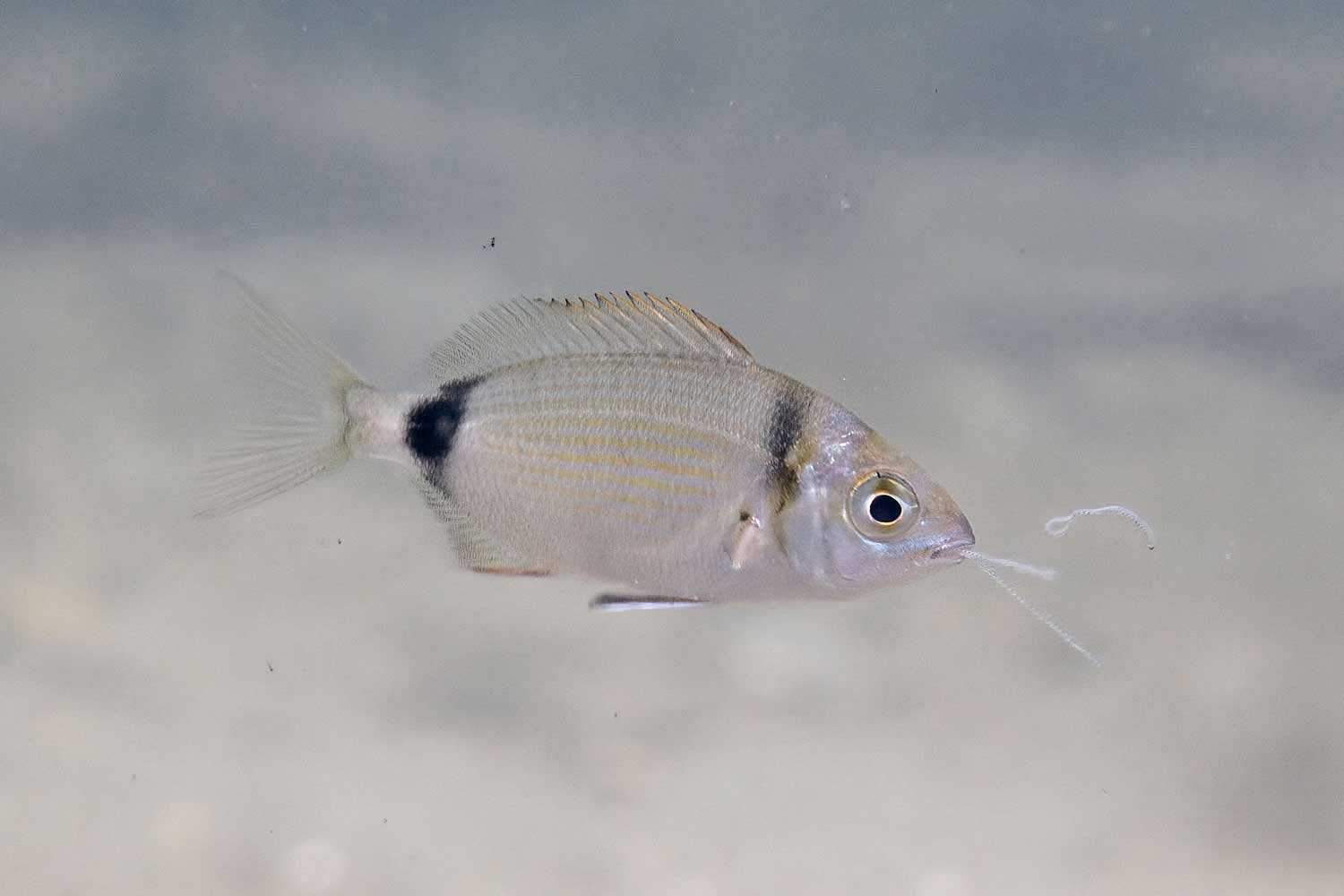
The sighting of a juvenile two-banded sea bream, usually found in shallow waters of Spain, Italy and Greece, adds to growing evidence that warming seas are bringing different marine species to Britain’s coastline.
Volunteer diver Tom Mills made the discovery while surveying seagrass habitats for the Studland Bay Marine Partnership. After photographing the fish, subsequent research revealed there have been fewer than 10 recorded sightings of the species in the UK. The first was reported in Cornwall in 2021, followed by sightings in Devon and Weymouth, Dorset. The Studland record is the most easterly sighting to date.
Tom, a research ecologist based in Poole, said: “Spotting the juvenile two-banded sea bream was a real surprise. Every summer, Studland’s seagrass meadows are alive with fish such as bass, black bream and pollock, but discoveries of new species are rare in such a well-surveyed area. To confirm this as the first record for Studland Bay, and the most easterly sighting in the UK, made it especially remarkable.”
The fish, measuring just five centimetres in length, was found among shoals of similarly sized juvenile black bream. Adults can reach up to 45cm in length. At this stage of its life, it will feed mainly on zooplankton before moving on to larger prey including crabs, molluscs and worms.

As climate change drives rising sea temperatures in the UK, more species are beginning to appear further north, including ocean sunfish and grey triggerfish.
David Brown, chair of the Studland Bay Marine Partnership steering group and Restore Nature lead for the National Trust, said: “Many people know Studland’s seagrass meadows for their seahorses, but this habitat supports an extraordinary diversity of marine life and provides vital nursery grounds for young fish. By continuing to restore the seagrass meadows, we can help support the species that are expanding their range as our seas warm. Records like this highlight both the ecological importance of Studland Bay and the value of the volunteer monitoring that makes these discoveries possible.”
Anyone snorkelling or diving along the Dorset coast who spots an unusual marine species is encouraged to report it to Dorset Seasearch, helping to build a better understanding of changes in marine biodiversity. Visit dorsetwildlifetrust.org and search for Dorset Sea Search.
To find out more about Studland’s rare seagrass meadows and the marine life they support, visit the Studland Bay Marine Partnership website www.studlandbay.org.
Please share post:
LATEST NEWS:

CHARITY OF THE YEAR 2026

Subscribe to the online magazine news letter