Nature & Wildlife, New Forest | Posted on June 4th, 2026 | return to news
New Forest residents urged to be wildlife friendly
The New Forest Biodiversity Forum has some advice for people who would like to support wildlife recovery.
Residents in the New Forest area are being urged to embrace wildlife-friendly gardening this summer.
A leading local conservation organisation says simple actions such as creating a small wildlife pond, leaving areas of grass uncut, planting pollinator-friendly flowers or keeping deadwood piles can provide vital food, water and shelter for wildlife across the wider New Forest landscape.
The New Forest Biodiversity Forum says that private gardens collectively have huge potential to support nature recovery in one of Europe’s most important landscapes for wildlife. The spillover effect from the protected core of the Forest means that even relatively small gardens have the potential to host thousands of species.
Professor Russell Wynn, chairman of the New Forest Biodiversity Forum, said: “Wildlife does not recognise boundaries. Gardens and green spaces in New Forest towns and villages can play an important role in supporting nature recovery in our region.
“Simple low-cost actions such as creating a pond, planting flowers for pollinators, or leaving part of a lawn unmown can create valuable habitat for species that are increasingly under pressure, while also contributing to the mental and physical wellbeing of garden owners.”

To help make a difference, wildlife-friendly features to add to your garden include:
- native plants such as lungwort, ox-eye daisy and water mint – many parts of the Forest have relatively few nectar-rich plants for pollinating insects, so local gardens containing these are especially important.
- a small garden pond – these support breeding frogs, newts, and dragonflies, and can become crucial safe havens during dry periods when natural pools in the Forest dry out.
- an area of uncut grass – helps to support moths and other insects, which in turn provide food for bats, birds, and amphibians.
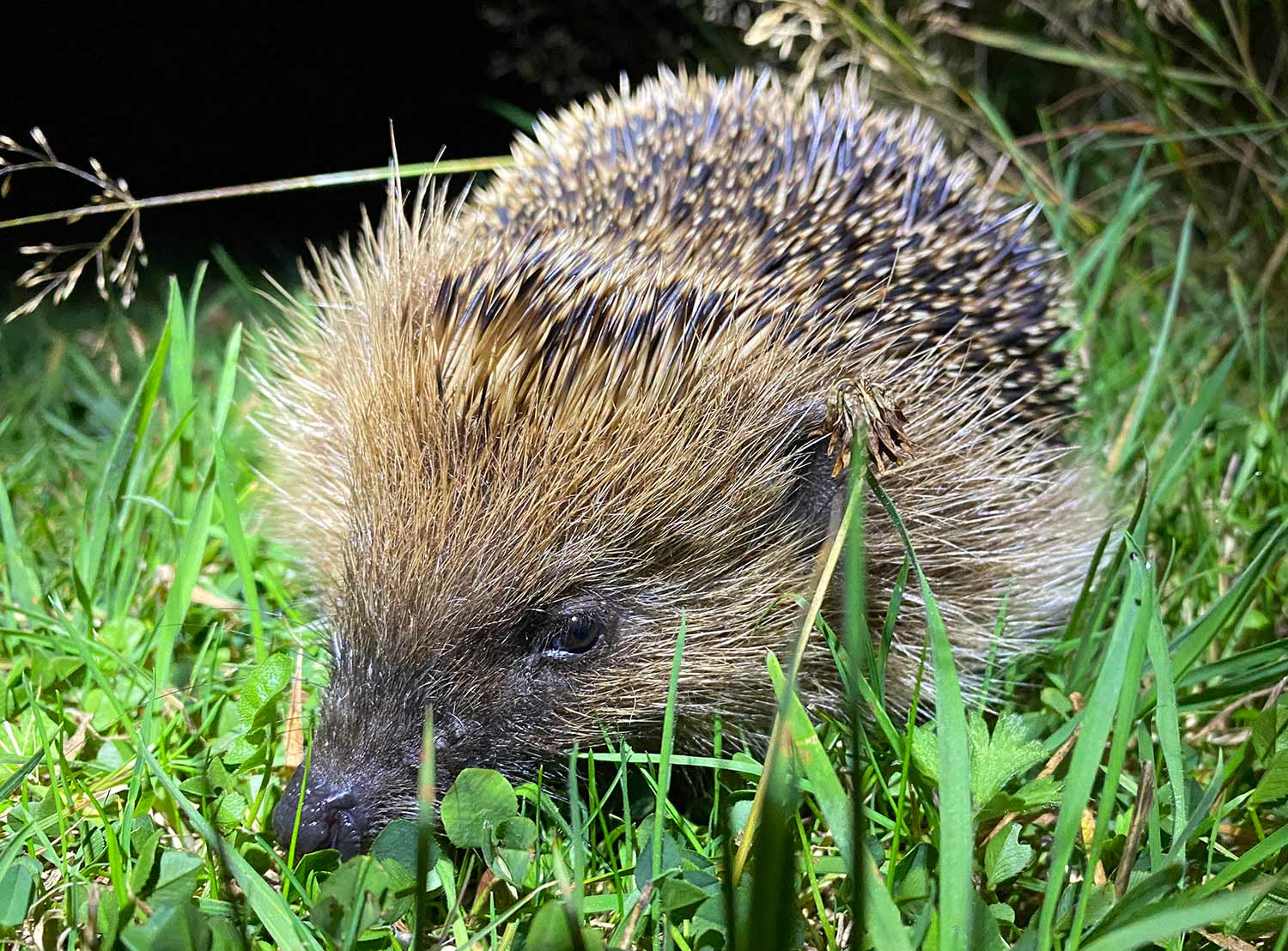
Professor Wynn said: “We know that rare nocturnal species such as Nightjars and Barbastelle bats regularly forage for insects over gardens, while declining species such as Hedgehogs and Stag Beetles are actually more frequently encountered in suburban gardens and green spaces than in the open Forest.
“Gardens containing mature trees and hedges can also help connect areas of woodland, and native species such as oak can provide food and shelter for many hundreds of species.”
Official figures show residential gardens cover nearly five per cent of England, making them the third most important land use by area behind agriculture and forestry. Around 92 per cent of people in England have access to a private garden, with about 35 per cent stating they encourage wildlife in that space.
Please share post:
LATEST NEWS:

CHARITY OF THE YEAR 2026

Subscribe to the online magazine news letter