Nature & Wildlife, Poole | Posted on June 10th, 2026 | return to news
Have a free day out at Canford Heath
Visitors can spend several hours exploring the paths on the biggest area of lowland urban heathland in Dorset.
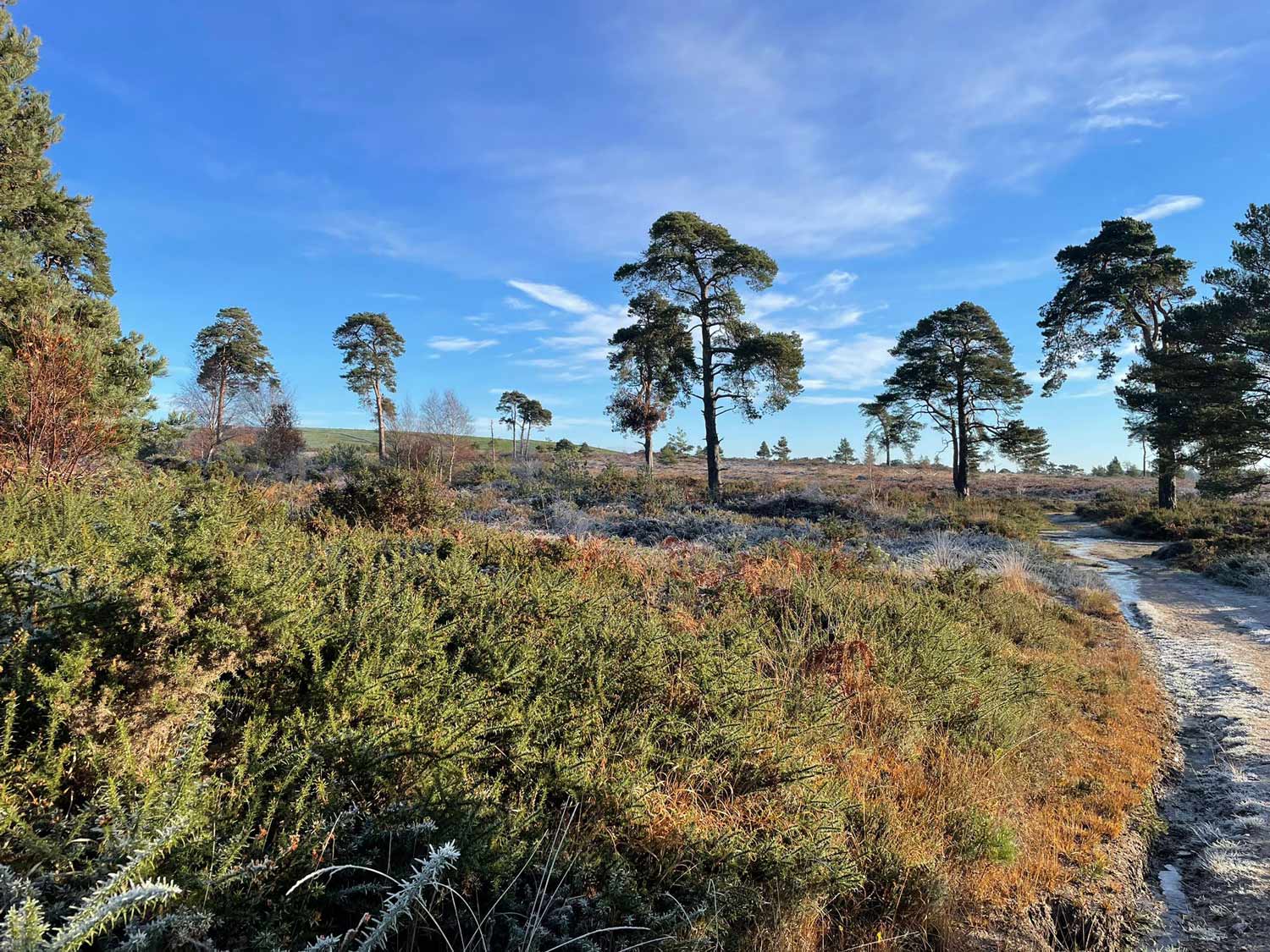
We can all be guilty of ignoring places to visit on our doorstep – and one of these is Canford Heath, which offers a free day out.
At 344 hectares, it is the biggest area of urban heathland in Dorset, and the largest lowland urban heath in the United Kingdom.
Visitors can spend several hours exploring the heath’s paths and bridleways and looking out for rare animals, including dragonflies, damselflies, Dartford warblers and nightjars.
The Site of Special Scientific Interest is also home to each of the UK’s native reptiles: grass snakes, adders, smooth snakes, slow worms, common lizards and sand lizards.
BCP Council’s team of rangers, who work across Canford Heath and other sites, are dedicated to protecting ecology and encouraging visitors to behave responsibly.
Bryony Jenner, a heathland mitigation ranger at BCP Council, said: “Canford Heath is a beautiful site for getting out, looking at nature and getting away from the concrete and hustle and bustle.
“It’s peaceful. There are lots of trails and walks, and I love coming up here with my dog and walking at this site. Everything shines on a clear day, and you could walk for hours.

“Visitors could see reptiles on the side of the paths. It’s rare to have all six in a single site.
“What makes it unique is that it’s an urban heathland, and it’s still so big.”
Cllr Andy Hadley, portfolio holder for Climate Response, Environment and Energy, said: “Our teams do an excellent job of maintaining and protecting this special habitat, and we ask that the public treats the space with the utmost care as they make the most of the sunshine this summer.
“Canford Heath is accessible on foot and by bike, making it a great alternative for families looking to enjoy the great outdoors and get away from the crowds and technology.”
Residents should be aware that dogs must be kept on leads during the bird breeding season (1 March to 31 July), as some rare birds nest on the ground.
Visitors must also stick to designated footpaths and trails, and they must take their litter home. Cyclists should stick to the network of bridleways.
Visitors are asked to bring a picnic and not a barbecue. Fires and barbecues are strictly forbidden because of the risk of wildfires.
Please share post:
LATEST NEWS:

CHARITY OF THE YEAR 2026

Subscribe to the online magazine news letter