
Eco & Environment | Posted on May 26th, 2026 | return to news
Traffic pollution threatening Dorset heathlands, study finds
Heaths near the A338, A35 and Alderney/Wallisdown roads experienced the highest levels of traffic pollution.
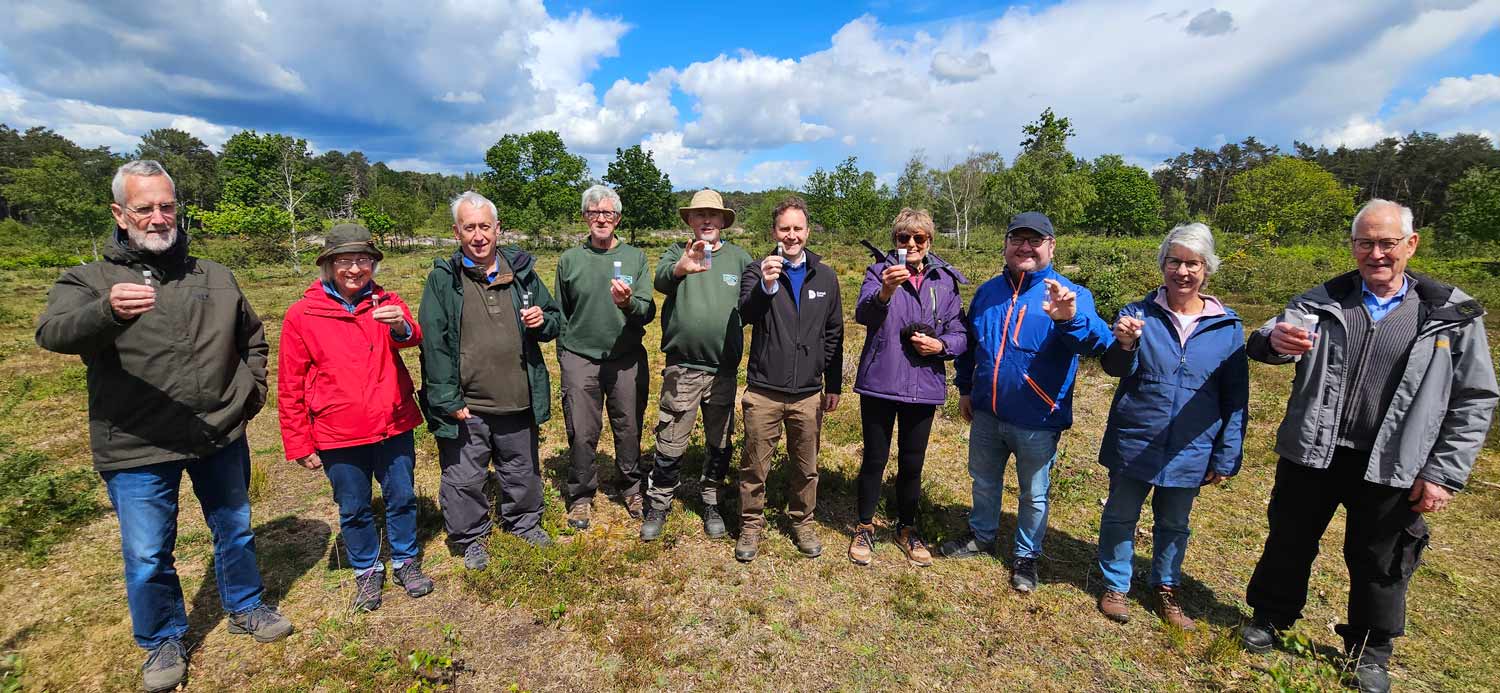
The two unitary authorities in Dorset have joined forces in a major air quality monitoring project.
Dorset Council and Bournemouth, Christchurch and Poole (BCP) Council have worked with volunteers to identify where pollution from traffic is having the greatest impact on rare and protected heathlands.
This work and its findings have helped pinpoint local pollution hotspots and ensure interventions are made where they will deliver the greatest benefit for nature.
Supporting heathland in this way will support the aims set out in Priority 3 of the Dorset Local Nature Recovery Strategy.
Cllr Nick Ireland, Dorset Council leader and Cabinet member for Climate, said: “With the valued help of conservation volunteers and strong support from our team and heathland partners, we’ve gained a much clearer understanding of how air pollution is affecting Dorset’s heaths. This insight allows us to take practical, targeted action to protect these special landscapes for wildlife and future generations.
“It’s vital we reduce harmful pollutants in some of our most important heathland areas. By working together, we can tackle the climate and nature emergency while fulfilling our Biodiversity Duty, which we take very seriously.
“I would like to personally thank our dedicated volunteers. Their contribution has been essential in collecting this invaluable data.”
Dorset’s lowland heath is one of the UK’s most threatened landscapes, home to a rich mix of rare plants, reptiles, insects, birds and mammals. These fragile ecosystems are particularly vulnerable to air pollution, which can damage sensitive species and alter natural plant communities.
Between August 2025 and January 2026, 15 trained volunteers collected monthly air samples at 14 heathland sites, focusing on areas close to busy roads where emissions are most likely to affect wildlife.
Small monitoring tubes were installed and later analysed in a laboratory to measure nitrogen dioxide and ammonia – two key pollutants linked to vehicle emissions and agricultural activity.
The findings show that ammonia levels exceeded thresholds known to harm lichens and mosses at every site monitored, with some locations approaching levels that could impact wider vegetation.

While nitrogen dioxide remained within national limits, the study confirmed that road traffic is a significant source of nitrogen pollution affecting Dorset’s heaths.
This data is vital for ensuring practical steps are taken to restore heathland, as the evidence already shows that Dorset’s heathlands are receiving more nitrogen than they can safely absorb.
Heaths near the A338, A35 and Alderney/Wallisdown roads experienced the highest levels of traffic pollution.
Cllr Andy Hadley, BCP Council Cabinet Member for Climate Response, Environment and Energy, said: “Moving away from fossil fuel vehicles is key to improving air quality for both people and wildlife. This work highlights the impact of traffic on our fragile heathlands, particularly around the conurbation and busy arterial routes.
“Protecting our heathlands is a shared responsibility, and this project shows how collaboration and citizen science can help focus efforts to safeguard these vital habitats for the future.”
Heaths have been categorised and mapped out as being at high, medium or low risk from road traffic pollution using air sampling data, traffic volumes and habitat condition.
Where there is evidence of nutrient enrichment within the first 200 metres of a busy road, the councils will work with heathland managers to deliver projects which reduce the nutrients in the soil.
One way of reducing nutrients is to cut back invasive vegetation, including brambles, pine, silver birch and bracken. This removes nutrients stored in the biomass of the plants and stops them eventually entering the soil.
More nutrients can be removed by scraping away the organic-rich layer of topsoil, where most of the nutrients are stored. This method of intervention gives the best chance for heathland restoration, as it creates areas of bare ground where the lower nutrient levels suit the regeneration of heathland plants.
A vegetation survey was also carried out on the heaths to map the condition of the heathland habitats. This survey helps explain the effects air pollution is having on the heaths and is guiding the delivery of restoration projects.
All the data collected will also be used to assess the impact of traffic generated by new developments, informing where schemes to minimise air pollution could be implemented.
Mitigation projects have already started, with Avon Heath, Upton Heath and Matchams View the first to be delivered. Projects will be delivered annually, focusing on the high- and medium-priority heaths first.
Please share post:
LATEST NEWS:

CHARITY OF THE YEAR 2026

Subscribe to the online magazine news letter